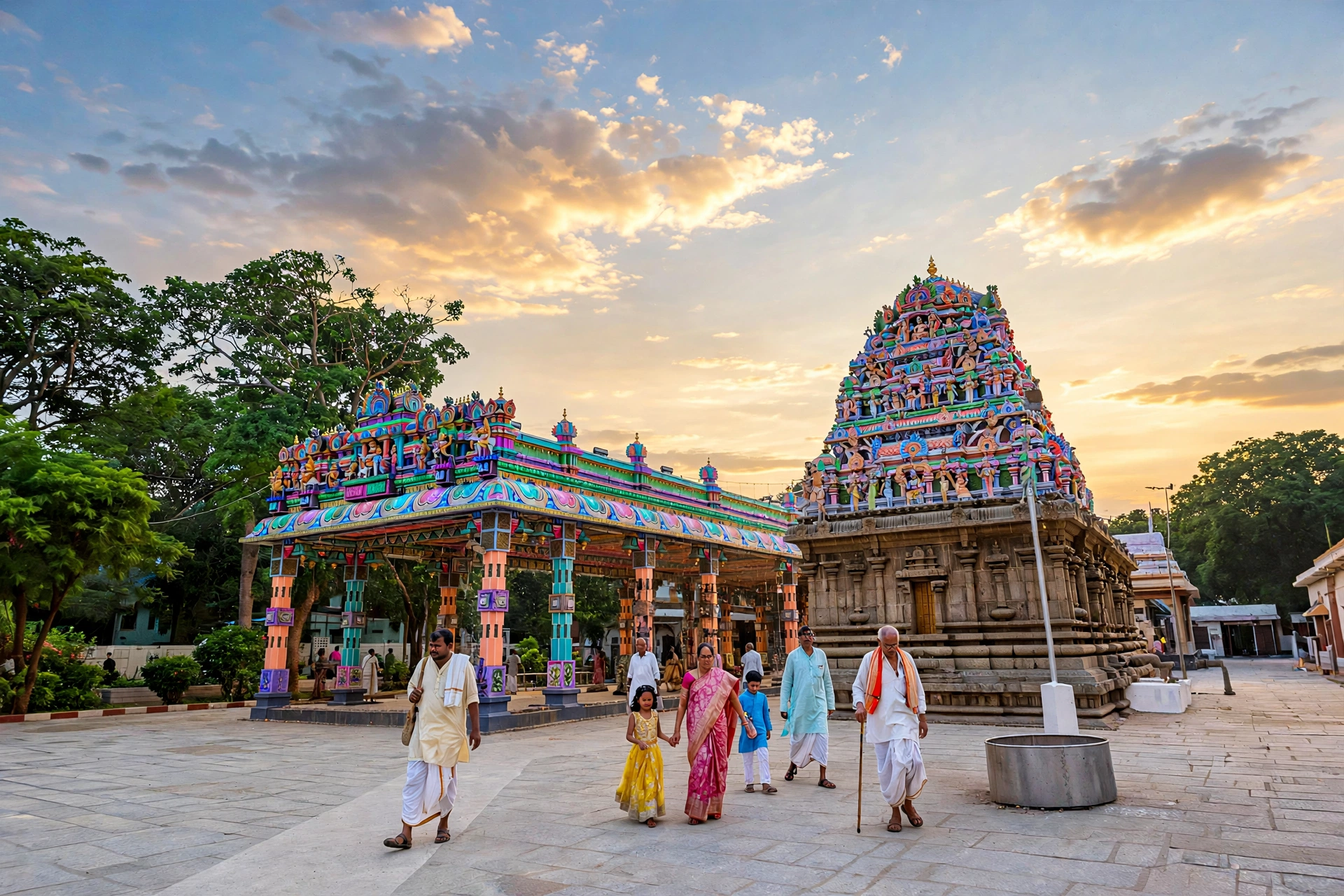


My adventure began in Chennai, a city where the energy of a modern metropolis blends effortlessly with centuries-old traditions. My first stop was the iconic Kapaleeshwarar Temple, where towering, brightly painted gopurams welcomed devotees with the scent of incense and the rhythmic sound of temple bells. Standing amidst the prayers and rituals, I realised that in South India, history isn't confined to museums or monuments, it is woven into everyday life.
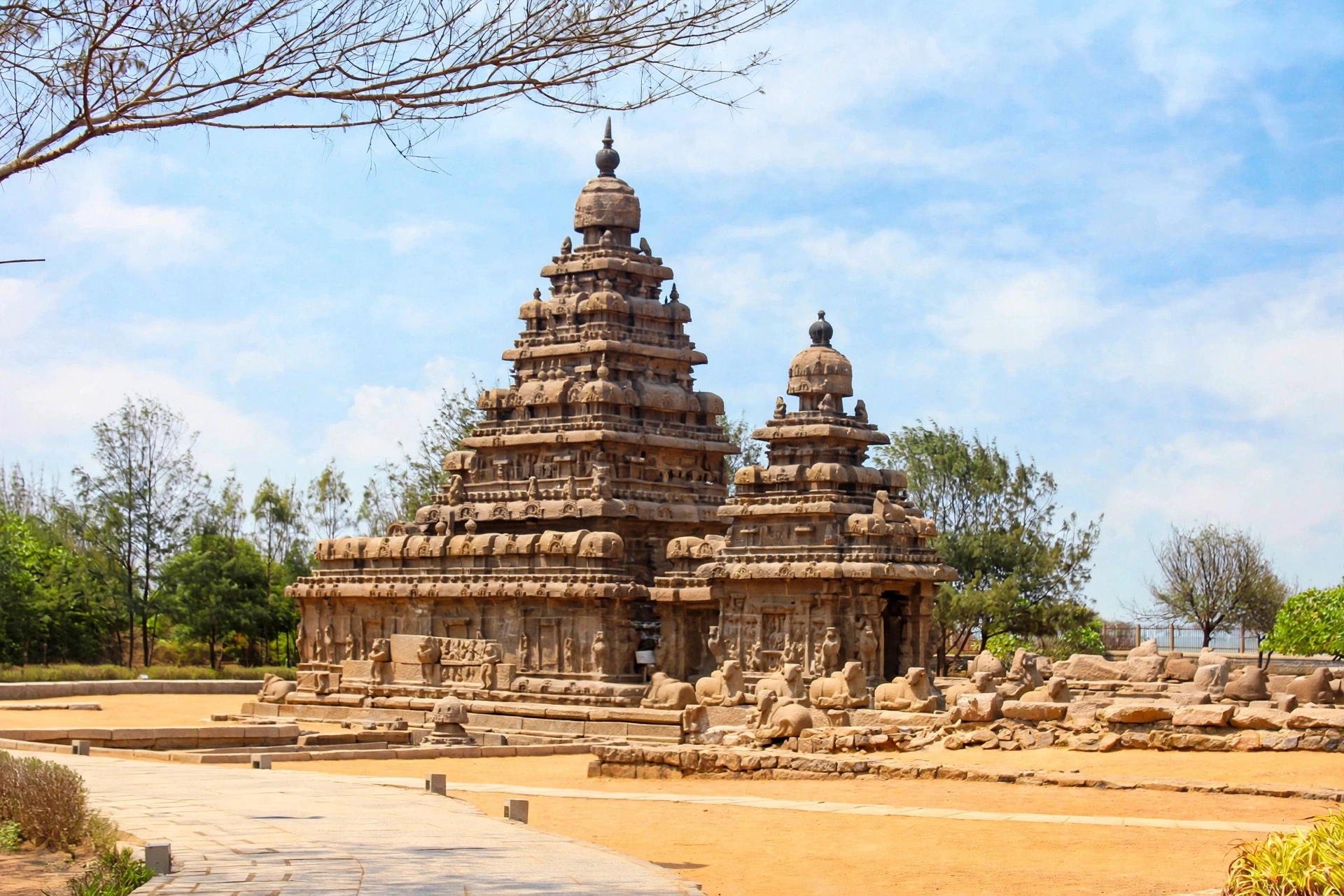
Leaving Chennai, I followed the scenic East Coast Road to Mahabalipuram, one of India's most remarkable UNESCO World Heritage Sites. Watching the waves of the Bay of Bengal crash against the ancient Shore Temple was an unforgettable sight. Nearby, the beautifully sculpted Pancha Rathas and the magnificent bas-relief of Arjuna's Penance showcased the artistic brilliance of the Pallava dynasty. Every carving seemed to tell a story, reminding me that these monuments have stood here for over thirteen centuries, quietly witnessing the passage of time.
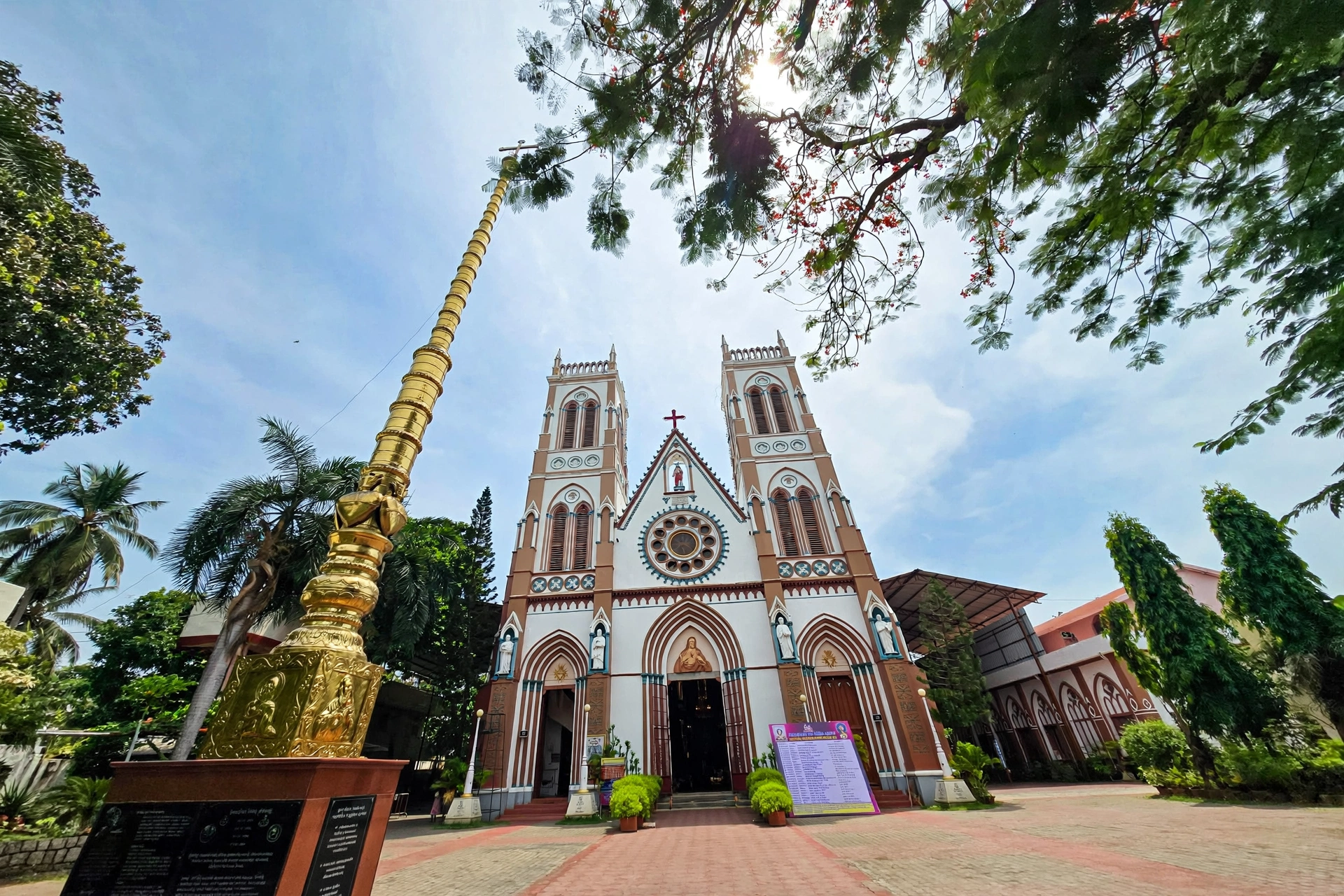
The journey then brought me to Pondicherry, where everything seemed to slow down. Walking through the charming French Quarter, with its colonial villas, leafy boulevards, and inviting cafés, felt worlds apart from the bustling temple towns I had just explored. A visit to the beautiful Sacred Heart Basilica, with its striking Neo-Gothic architecture and vibrant stained-glass windows, added to the city's timeless charm. Pondicherry's relaxed pace reminded me that some places aren't meant to be rushed-they're meant to be savored.
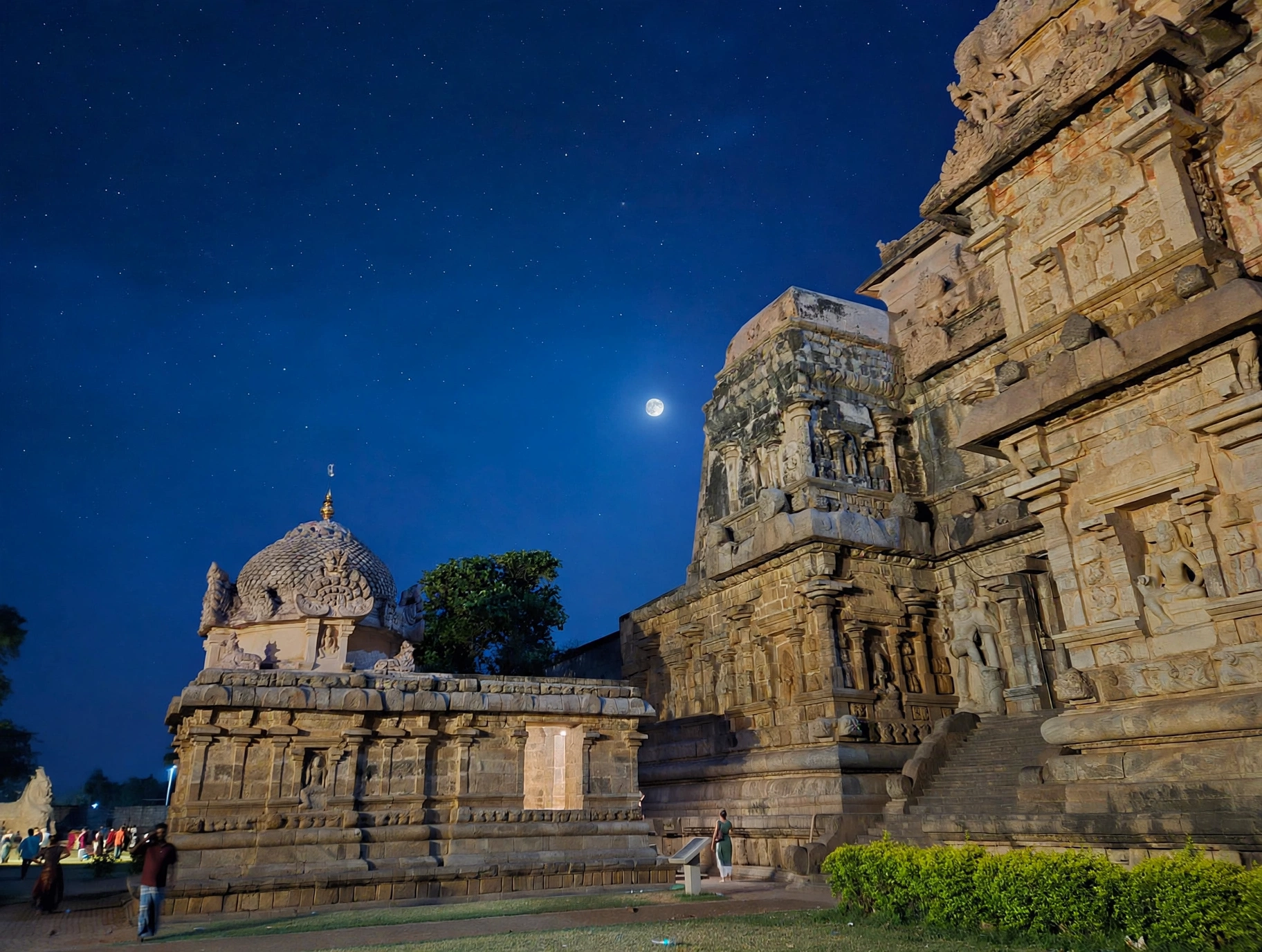
Leaving the coast behind, I arrived at Gangaikonda Cholapuram, where the magnificent Chola temple stood as a timeless symbol of South India's architectural brilliance. Its elegant carvings and imposing grandeur were a remarkable reminder of the legacy of the mighty Chola Empire.
The road then led me to Kumbakonam, the temple town of Tamil Nadu. A visit to the revered Adi Kumbakeshwarar Temple offered a fascinating glimpse into the town's spiritual significance. Along the way, rows of handcrafted terracotta statues towering guardian horses, deities, and beautifully sculpted figures lined the roads, celebrating a centuries-old artistic tradition. It was a wonderful reminder that in Tamil Nadu, heritage isn't just preserved in its temples, but also through the craftsmanship that continues to thrive today.
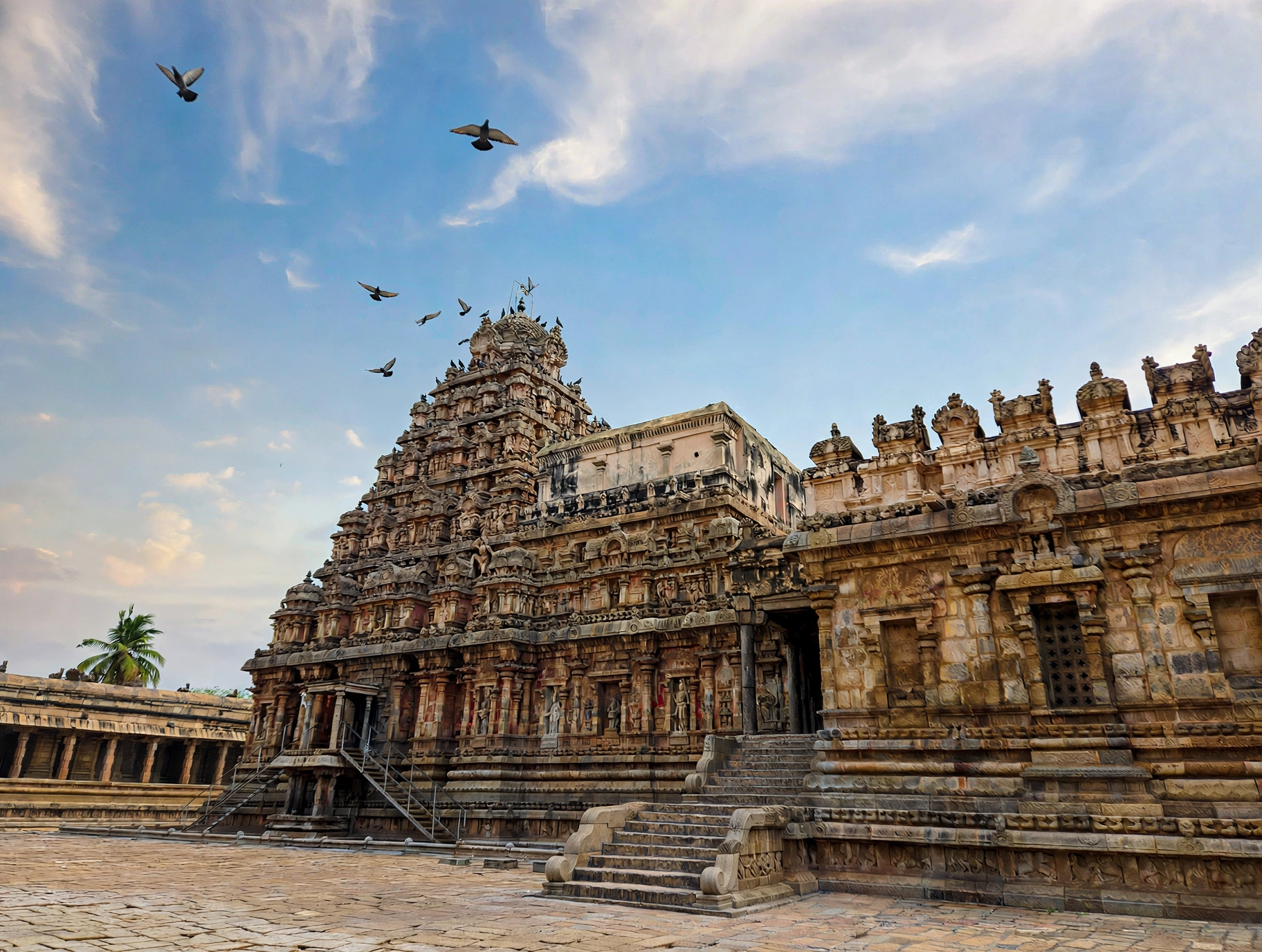
The grandeur continued in Thanjavur, where the magnificent Brihadisvara Temple left me speechless. More than a thousand years after it was built, this UNESCO World Heritage Site continues to stand as one of the finest examples of Chola architecture and engineering.
From Thanjavur, I travelled into the heart of Chettinad, a region that surprised me in more ways than one. Once home to the affluent Nattukottai Chettiar community, Chettinad flourished during the late nineteenth and early twentieth centuries. As their fortunes grew through trade across South and Southeast Asia, so did the grandeur of their homes, adorned with Burmese teak, Belgian glass, Italian marble, and the region's iconic handmade Athangudi tiles.
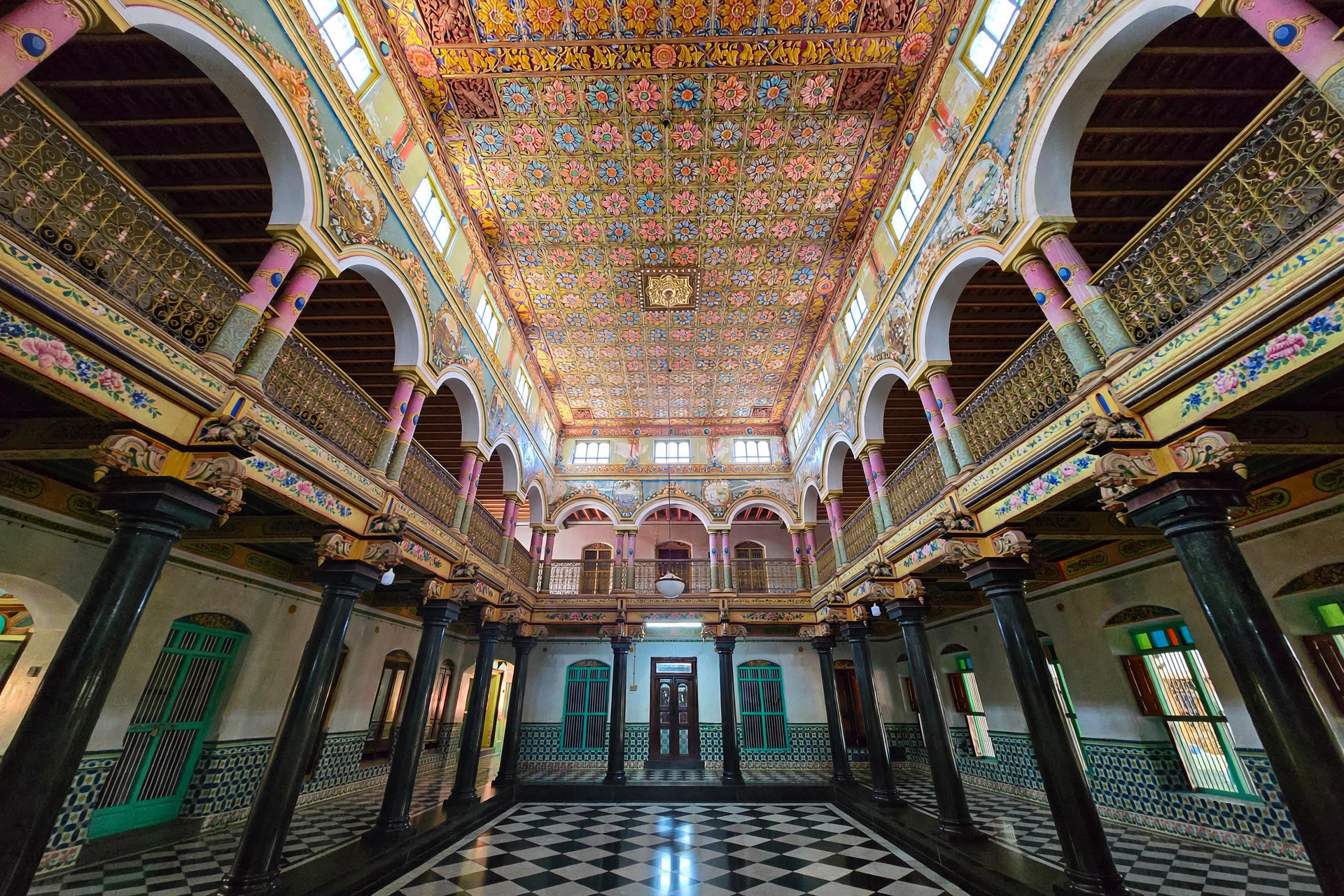
Yet these magnificent homes also tell a quieter story. As trade declined and families moved away, many of the once-grand mansions were left abandoned. Walking through their silent courtyards and weathered halls, I couldn't help but imagine the lives they once held, a beautiful reminder that every era of prosperity eventually becomes history.
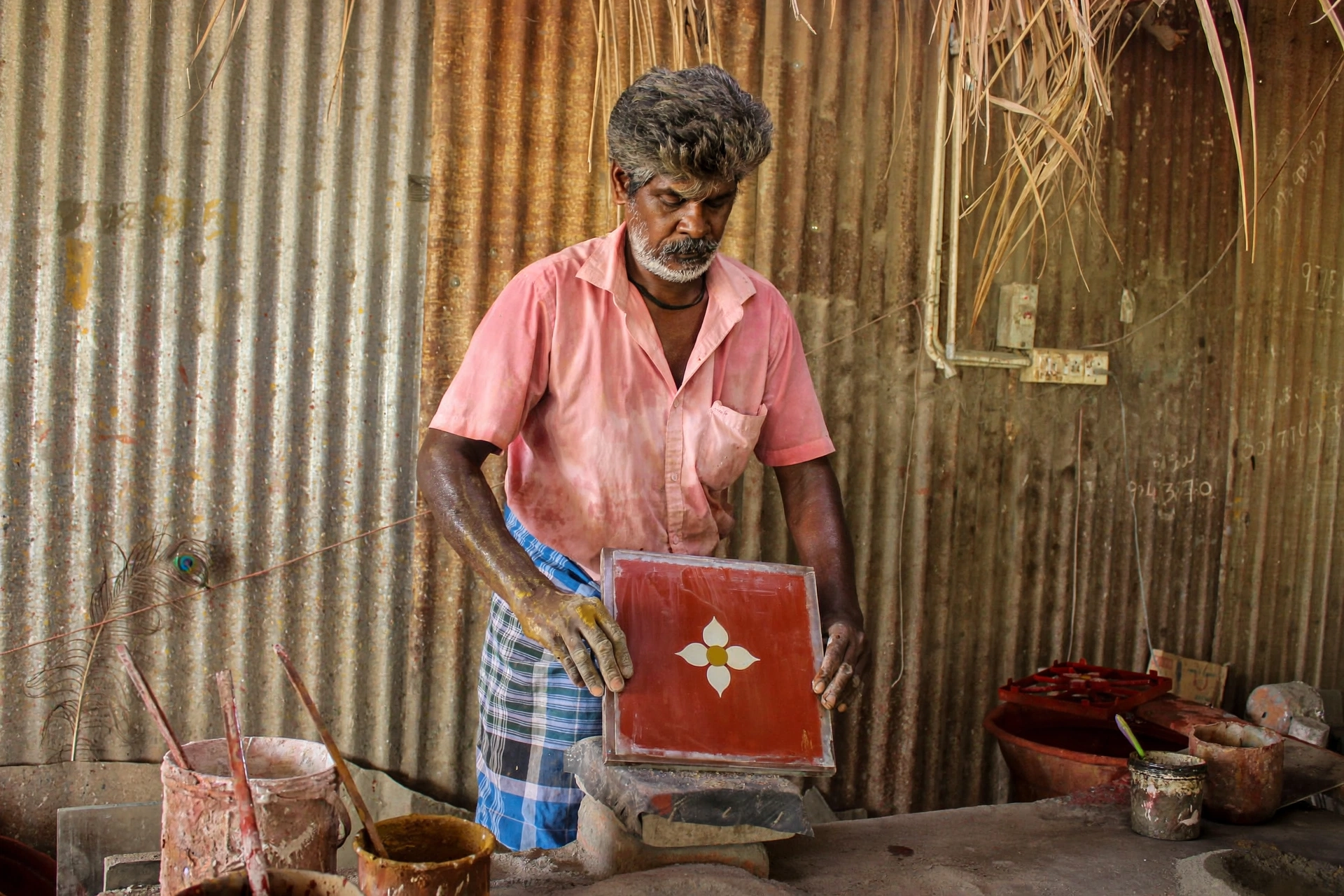
One of the most memorable experiences was visiting a traditional Athangudi tile-making unit. Watching skilled artisans patiently handcraft every tile using techniques passed down through generations was truly fascinating. Liquid pigments were carefully poured into intricate moulds before being layered with cement and finished entirely by hand. Every tile emerged with its own unique character-a beautiful blend of precision, artistry, and tradition. It was inspiring to witness a craft that has remained virtually unchanged for over a century and continues to define the architectural identity of Chettinad.
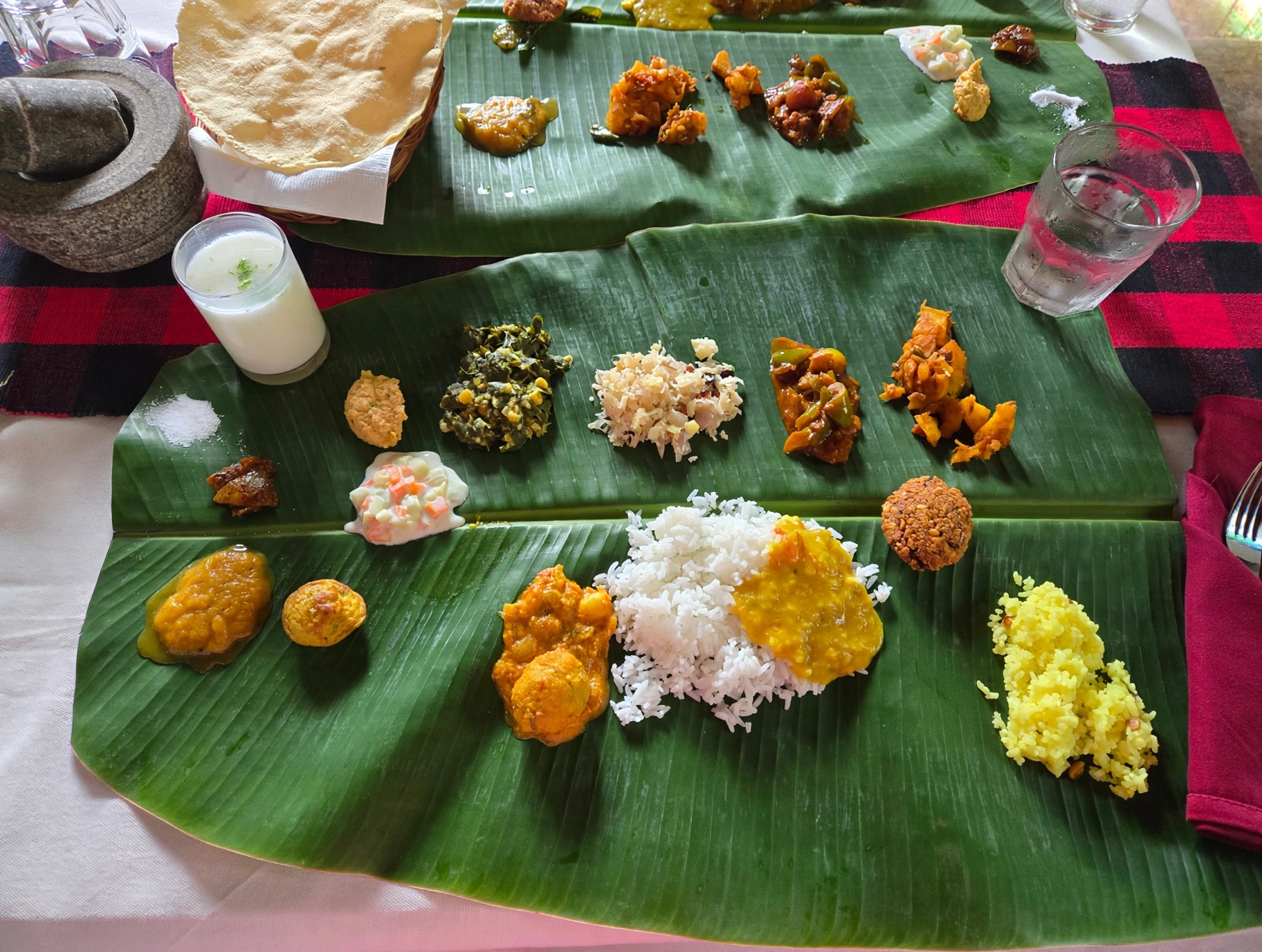
No visit to Chettinad would be complete without experiencing its legendary hospitality. Sitting down to a traditional banana-leaf lunch, rich with aromatic spices and authentic local flavours, was the perfect conclusion to my time in this remarkable region, where every meal is as much a celebration of heritage as the architecture itself.
As my time in South India came to an end, I realised that what made South India so unforgettable wasn't just its magnificent temples or breathtaking monuments. It was the stories hidden behind them, the devotion that still fills ancient shrines, the artistry preserved through generations of craftsmen, the rise and fall of prosperous communities, and the warmth of the people who continue to keep these traditions alive.
As someone who spends every day creating tours for others, this experience reminded me that the most memorable trips are never measured by the number of places you visit. They're measured by the stories you carry home, the people you meet, and the moments that stay with you long after the journey ends.
South India didn't just become another destination I could recommend with confidence, it became a place that touched my heart. And those are the stories worth sharing.
Get Your Free Drone Autonomy Guide Today!
