


Returning to the Hidden Highlands of Eastern Bhutan
Tribal Valleys, Remote Festivals, and the Echo of Timeless Traditions
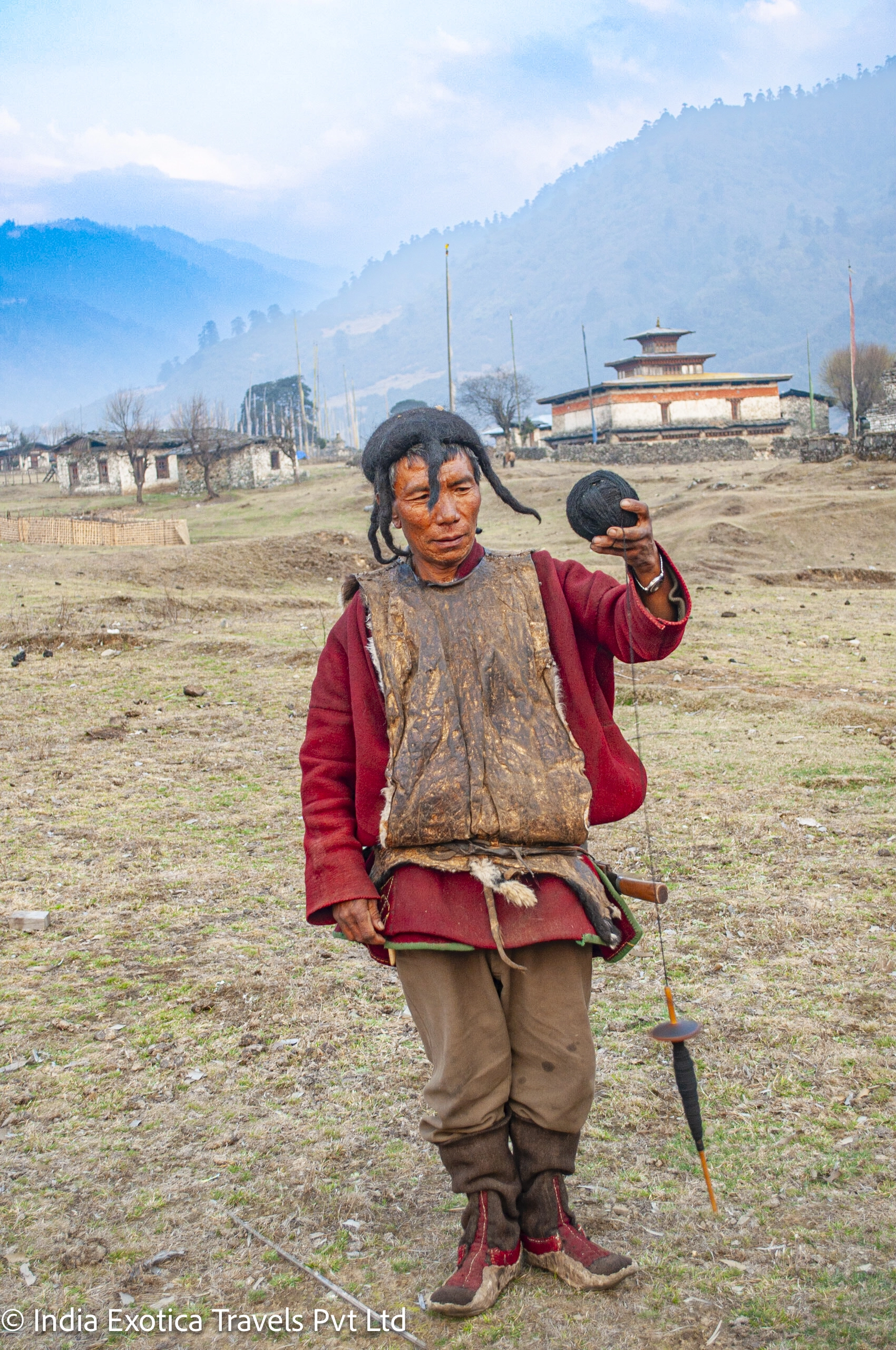
When people think of Bhutan, it is usually the western valleys that come to mind—Tiger’s Nest Monastery, the dzongs of Paro and Punakha, or the pageantry of Thimphu’s grand festivals. Yet Bhutan is more than its postcard icons. Over a decade ago, in the early 2010s, I led two groups of photographers into the far reaches of Eastern Bhutan—into valleys few outsiders had ever seen.
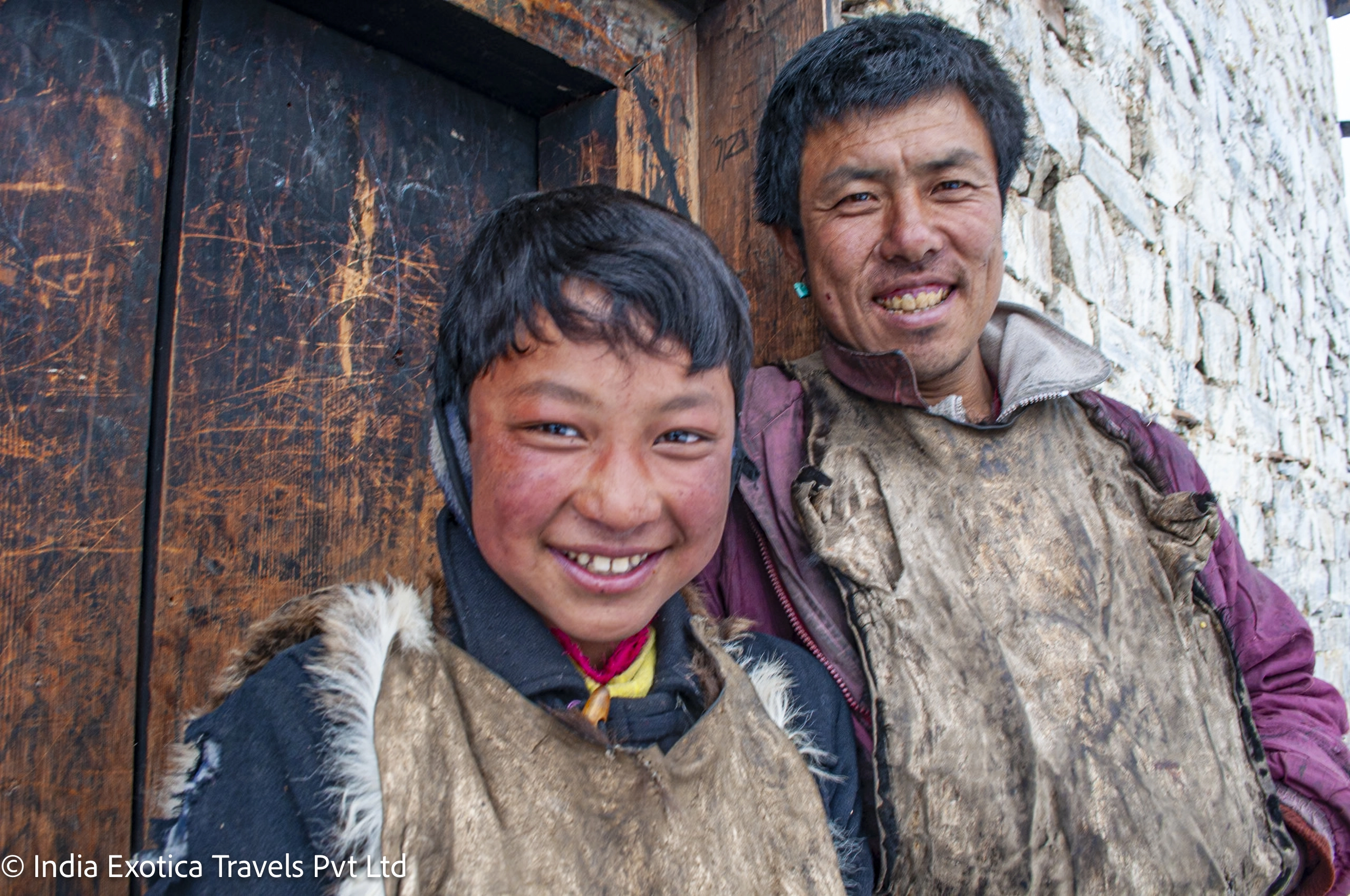
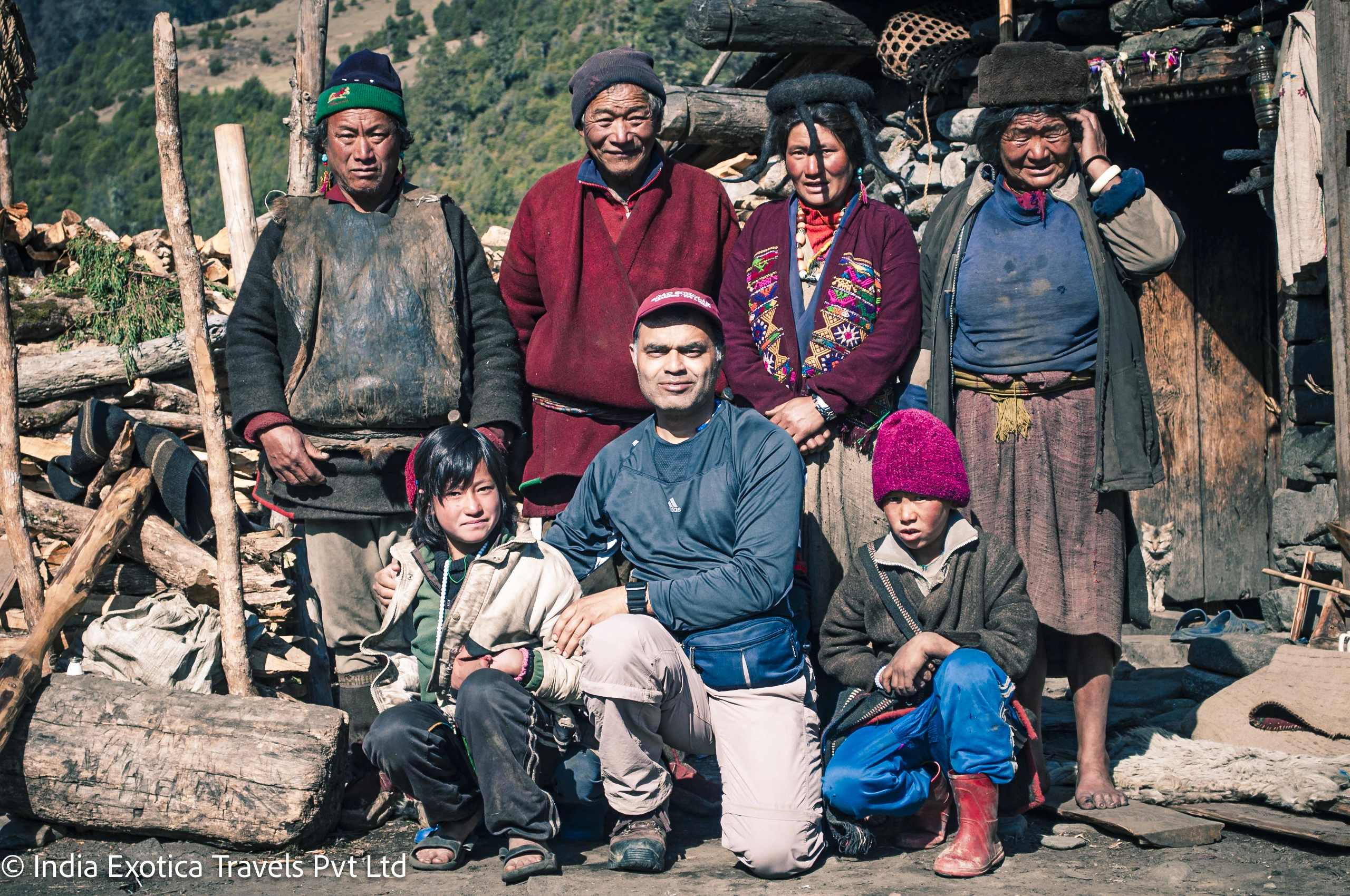
That journey left an indelible impression. Remote, rugged, and culturally distinct, the east felt like stepping back into Bhutan’s deeper roots. I remember entering the highlands of Merak and Sakteng for the first time, sitting in smoky kitchens with Brokpa families, and watching village festivals where every dance was performed not for visitors, but for the gods and the community itself.
Now, in 2025, I return to those same highlands with photographer Nevada Wier and a small group of travelers. Our journey, On the Road: Eastern Bhutan – Wangzhing Rabney Festival & Merak-Sakteng Sanctuary, is not just an itinerary—it is a reconnection.
Then and Now: The Untouched East
In the 2010s, Eastern Bhutan still felt almost sealed off. The long road from Assam wound into valleys where few outsiders had ventured. Villages clung to high ridges, prayer flags whipped across passes, and every turn in the road felt like discovery.
Even today, little has changed. Though roads have improved, the essence remains: isolation has preserved traditions here. Traveling once again through Trashigang, Mongar, and Lhuentse, I look forward to seeing how much is as I remember—dzongs guarding valleys, rivers roaring through gorges, and villagers who welcome strangers as friends.
Festivals that Bind Time

One of my strongest memories is the Gom Kora Festival. This time we are visting Wangzhing Rabney Festival in Lhuentse. Unlike the grand tshechus of the west, it was intimate, rooted in the soil of the community. I remember the mask dances—Cham performed with devotion, not spectacle. Villagers dressed in their finest kira and gho, children chasing each other between rituals, and an atmosphere that felt untouched by the idea of tourism.
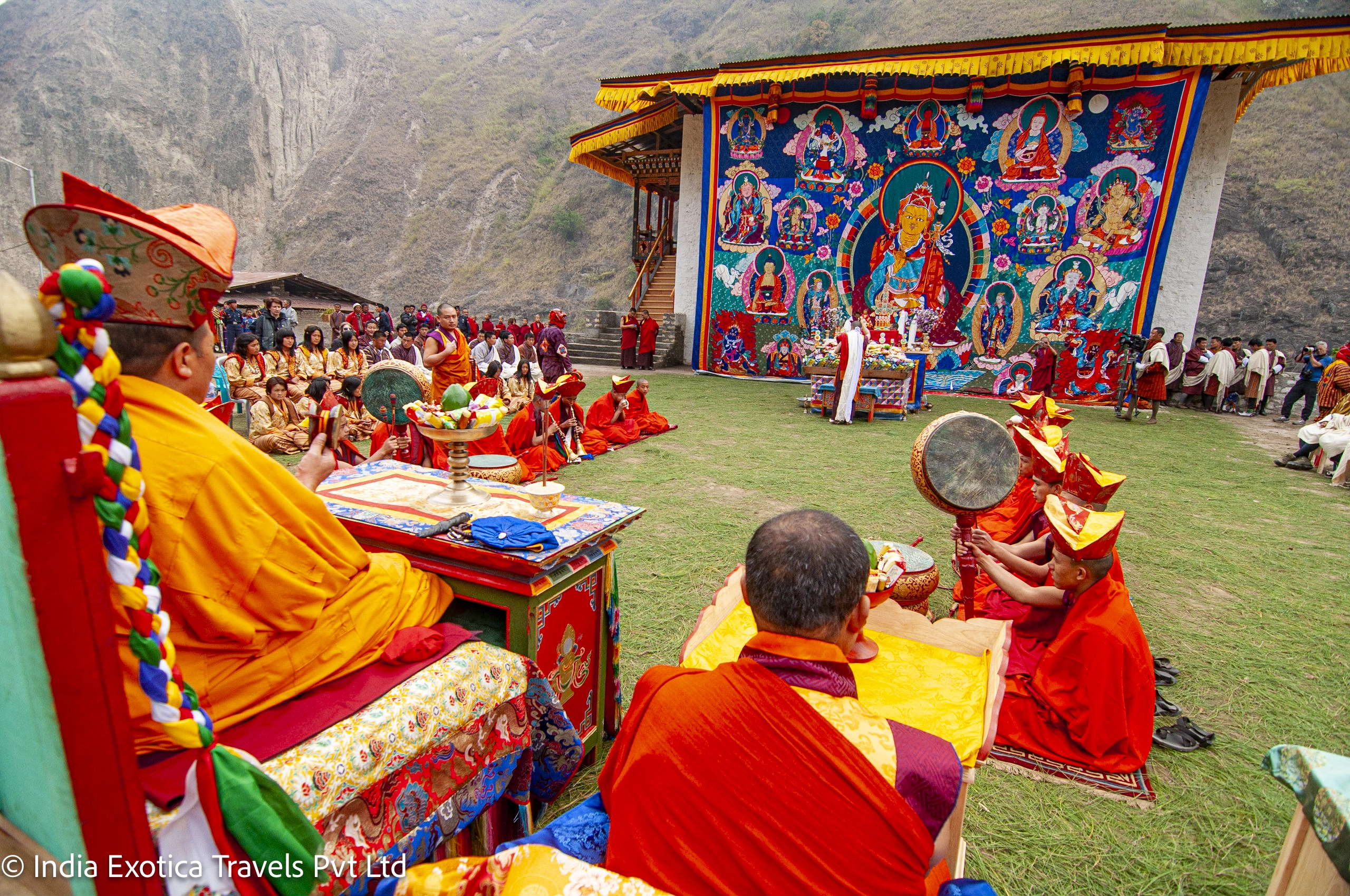
This September, I return to a different festival. I wonder—will the “Three Male Relatives Dance” still be performed with the same earnestness? Will the stories of Pema Lingpa still ripple through each movement? For me, photography will not be about capturing costumes, but about rediscovering that sacred blend of myth, memory, and community spirit.
Into the Highlands of the Brokpa
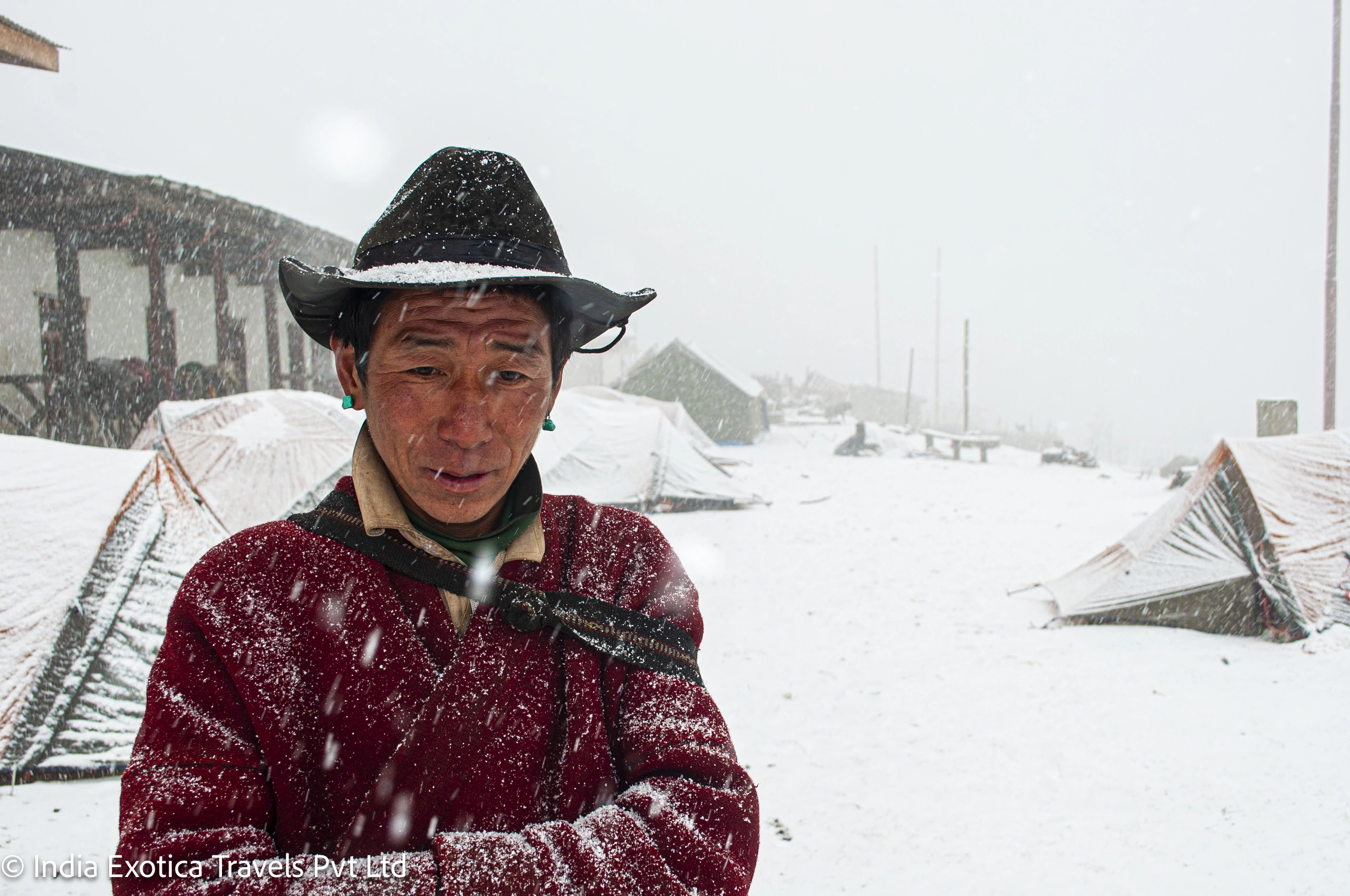
The Brokpa valleys of Merak and Sakteng have always stood apart. When I first trekked in the region, we could not cross the Nachungla Pass (13,625 feet) due heavy snow but the landscape opened like a secret revealed—bamboo groves, grazing yaks, and a rhythm of life that seemed timeless.
Back then, we stayed in mountain tents, bartered cheese for tea, and shared butter tea in wooden bowls. I still remember faces weathered by wind, and laughter echoing across yak pastures. This time we will stay with the families in their homestays.
Now, as I prepare to return, I carry those memories with me. I know the Brokpa way of life endures—their woven textiles, yak dances, and legends of the migoi (yeti) that haunt these high valleys. What excites me most is not what has changed, but what has remained.
Why Returning Matters
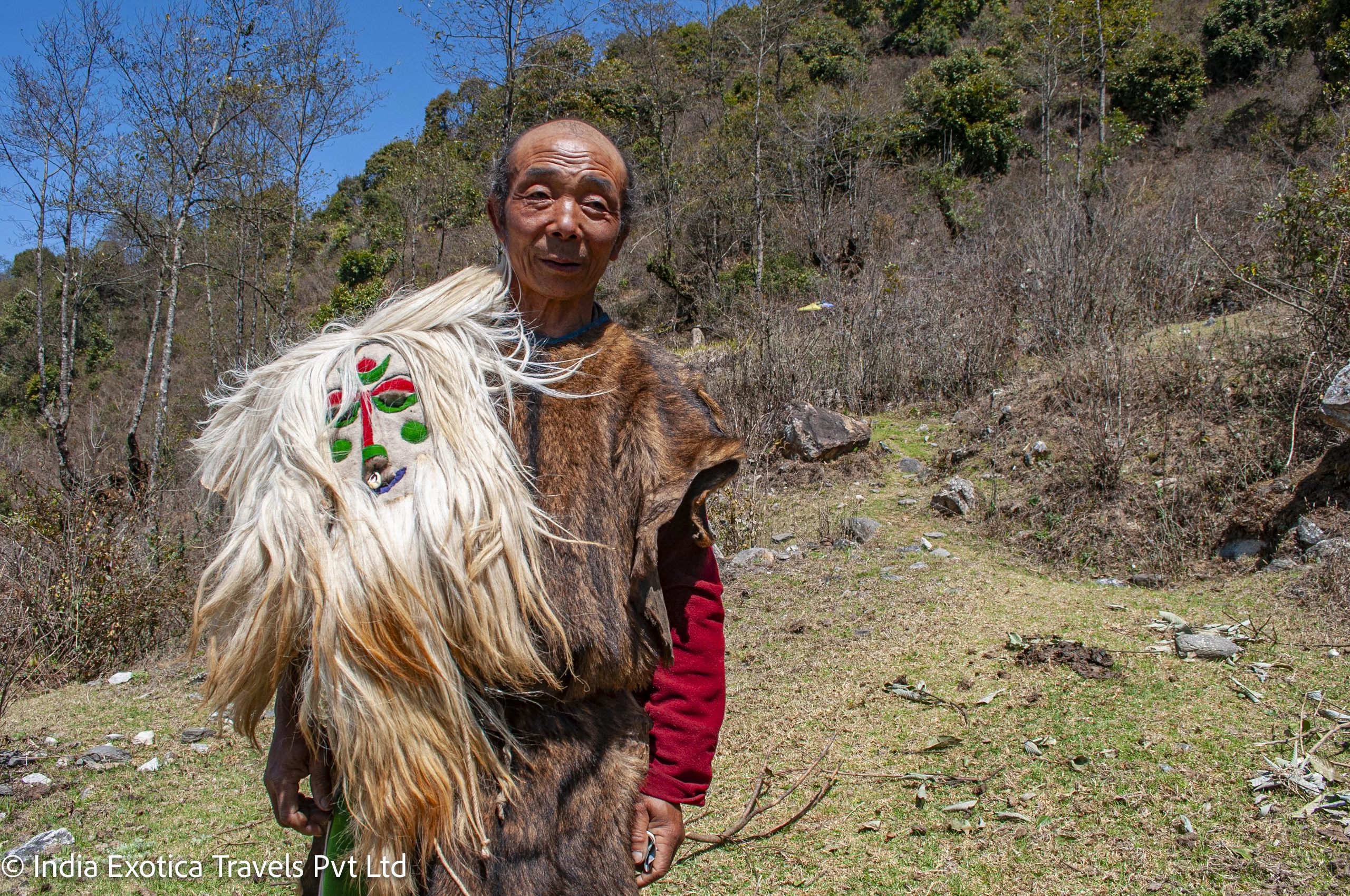
Bhutan is known worldwide for its philosophy of Gross National Happiness, but it is in the east that I felt its heartbeat most clearly. Here, remoteness is not a barrier but a shield. Life is lived on its own terms, untouched by the rush of modernity.

Coming back after more than a decade, I feel I am not just retracing my steps, but entering a dialogue between memory and the present. The east reminds me that journeys are not only about where we go, but also about how we return—how the past shapes what we notice, and how the present confirms what endures.
A Journey Beyond the Ordinary
This is not an easy expedition. It demands stamina, as altitudes rise above 13,000 feet and roads twist endlessly. Yet it rewards with moments that cannot be staged: sacred dances under open skies, friendships forged in farmhouse kitchens, and glimpses of a Bhutan that most travelers will never see.
For me, leading this new journey is a return to the roots of why I travel: to witness, to connect, to be present. Eastern Bhutan remains the road less traveled—and it is along this road that Bhutan whispers its oldest and truest stories.
Get Your Free Drone Autonomy Guide Today!
